
You might already have cameras up and running and still feel uneasy about what they actually do when something happens. A lot of people assume cameras equal protection because they can see footage later, but that only answers part of the problem. Security gear gets talked about as one big category, when the reality is each piece plays a different role.
The decision usually isn’t about adding more devices. It’s about deciding what matters most on your property: proof after the fact, or knowing something is happening while it’s still in progress. Those are different goals, and they lead to different setups.
This is a practical look at that choice. No promises about perfect detection or zero false alarms, because systems don’t work like that in real conditions. Tradeoffs are part of the decision whether people admit it or not.
Start with the Real Question: Do You Need Evidence or Early Warning?
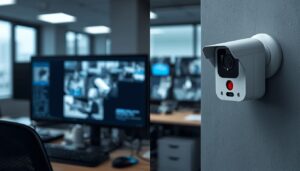
Recording and detecting sound similar until you think about timing. Recording gives you a record of what happened. Detection, whether sensor-based or video-based, aims to indicate activity early enough for a response.
Cameras are good at visibility. You get footage, you can review events, and you can verify what actually took place. That matters for investigations, insurance claims, or just understanding patterns on a site. In setups without active monitoring or analytics, cameras mostly record rather than alert.
Perimeter intrusion detection systems typically focus on alerts. Their job is to notice movement or breaches at the edge of a property and trigger a response. It’s about earlier awareness, not better footage.
Treating these as interchangeable leads to bad purchases. Someone buys more cameras hoping for faster reaction times, then realizes nothing actually changed in how quickly they know about a problem. A more useful question is how soon you need to know, and who’s actually responding.
Why Cameras Alone Often Feel Like Protection (But Aren’t Always)

Visible cameras send a message. People see them and assume they’re being watched, which can discourage some casual intrusion. That effect is real enough, especially in lower-risk areas where most issues are minor.
The gap shows up when people expect cameras to act instead of observe. Recording footage is not the same as detecting intent. Unless someone is watching a live feed or software is actively analyzing it, cameras mostly capture events as they unfold and store them for later.
There are places where that’s fine. Small sites, low-value assets, or situations where reviewing footage afterward is acceptable. Sometimes you just need to know what happened, not stop it in real time.
Issues show up on larger or poorly lit perimeters, or locations that sit unattended for long stretches. You end up with clear footage of a problem you couldn’t respond to while it was happening. Seeing an event afterward feels very different from catching it early enough to interrupt it.
What Perimeter Intrusion Detection Systems Actually Add

Perimeter intrusion detection systems aren’t mainly about recording. They sit at the boundary and try to notice when someone or something crosses it. You get a signal before someone reaches buildings or assets. That extra time might be a few seconds or a few minutes depending on the site, but it changes the window you have to react.
Triggers often come from physical actions. Someone climbing a fence, cutting through it, crossing a defined line, a vehicle entering where it shouldn’t. The system is watching for those boundary events rather than waiting for a camera operator to spot movement later.
But the alert itself doesn’t solve anything. It just creates a moment where a decision can happen. If nobody is watching alerts, or there’s no plan for who responds, then detection turns into another notification log you review after the fact. People sometimes assume installing detection equals stopping intrusions, and that jump is where expectations get messy.
Early warning is most useful when someone is ready to respond.
The Step-by-Step Reality Check Before Choosing Any System
Before picking equipment, it helps to describe the perimeter honestly. Not just “we have a fence,” but where the open areas are, where vehicles come in, whether rooftops or side access points create blind spots. The layout usually tells you more than specs ever will.
Then look at likely scenarios. Not every site faces the same problems. Some deal with casual trespassing, others worry about theft, others mostly want to know when someone is on-site after hours. The threat you actually expect should drive the setup.
Response matters more than most people assume. Is someone on-site? Is there a monitoring center? Or would an alert just sit there until morning. How much delay feels acceptable between intrusion and awareness changes the decision quickly.
False alarms come with real cost too. Someone has to deal with them, and tolerance varies a lot. If alerts go off constantly and no one trusts them anymore, the system stops being useful.
Once you walk through those questions, the answer usually starts to narrow on its own. Some sites clearly need early detection. Others honestly don’t.
When Cameras Alone Make Sense vs When Detection Becomes Necessary
Cameras alone can be enough when the risk level is low and the goal is mostly evidence. Small properties, limited budgets, or places where reviewing footage later is acceptable tend to fall here. You still get visibility, and that may be all the operation really needs.
Detection becomes more relevant when stakes change. Larger perimeters, higher-value assets, or sites that can’t afford delayed awareness push the balance the other way. The bigger the area, the harder it is to rely on someone noticing things through cameras alone.
Environment plays a bigger role than people expect. Wildlife, heavy traffic nearby, weather, uneven lighting, all of these affect how reliable alerts feel day to day. A setup that works cleanly in one place might be frustrating somewhere else.
Response capability keeps showing up as the deciding factor. A strong response setup can make detection valuable fast. Without a response plan, expensive technology can feel less useful. More gear doesn’t automatically mean stronger security if the basics around it aren’t ready.
Why the Best Setup Is Often Detection Plus Cameras

Once you see how each system works, the combination starts to feel logical. Detection throws the alert. Cameras help confirm what actually triggered it. Instead of guessing whether it was a person, an animal, or nothing at all, someone can check quickly and decide what deserves attention.
That verification step cuts down on unnecessary reactions. Teams don’t have to send someone every time a sensor trips, and they don’t ignore alerts just because false ones happen sometimes. The two systems fill in each other’s weak spots without needing either one to do everything.
Integration only helps if someone is actually watching and ready to act. A well-connected system with no monitoring behind it doesn’t magically become smarter.
Some sites get value from combining tools, others don’t need that complexity, and forcing a combo where it doesn’t fit usually creates frustration more than security.
A Simple Three-Factor Decision Check
If the decision still feels fuzzy, it usually hinges on three things. First is risk level. Low-risk sites can tolerate slower awareness. Higher-risk sites can’t afford that gap.
Second is response capability. No response means alerts don’t matter much. Limited response changes what’s realistic. A staffed or monitored setup makes early warning far more useful because someone is there to do something with it.
Third is the environment. Calm areas with predictable movement behave differently from noisy sites with constant motion, weather changes, or random activity. Those conditions affect how reliable systems feel day to day.
Looking at risk, response, and environment together tends to clarify the choice. Sometimes lighting adjustments, better procedures, or basic upgrades solve more than adding another layer of technology.
What to Ignore When Making the Final Decision
A lot of marketing language sounds good until you ask how it works in real life. Claims about zero false alarms or systems that supposedly solve everything with AI usually hide the messy parts nobody can remove completely.
High-resolution cameras get sold as if sharper footage equals better detection. It doesn’t. Clearer video helps after something happens, but it doesn’t automatically tell you sooner.
Buying technology without a response plan is another common mistake. The system ends up sitting there collecting alerts or footage without changing outcomes. The flashy features rarely matter as much as how fast you need to know something is wrong and what happens next when you do.